
What symptoms appear when the skin barrier weakens?
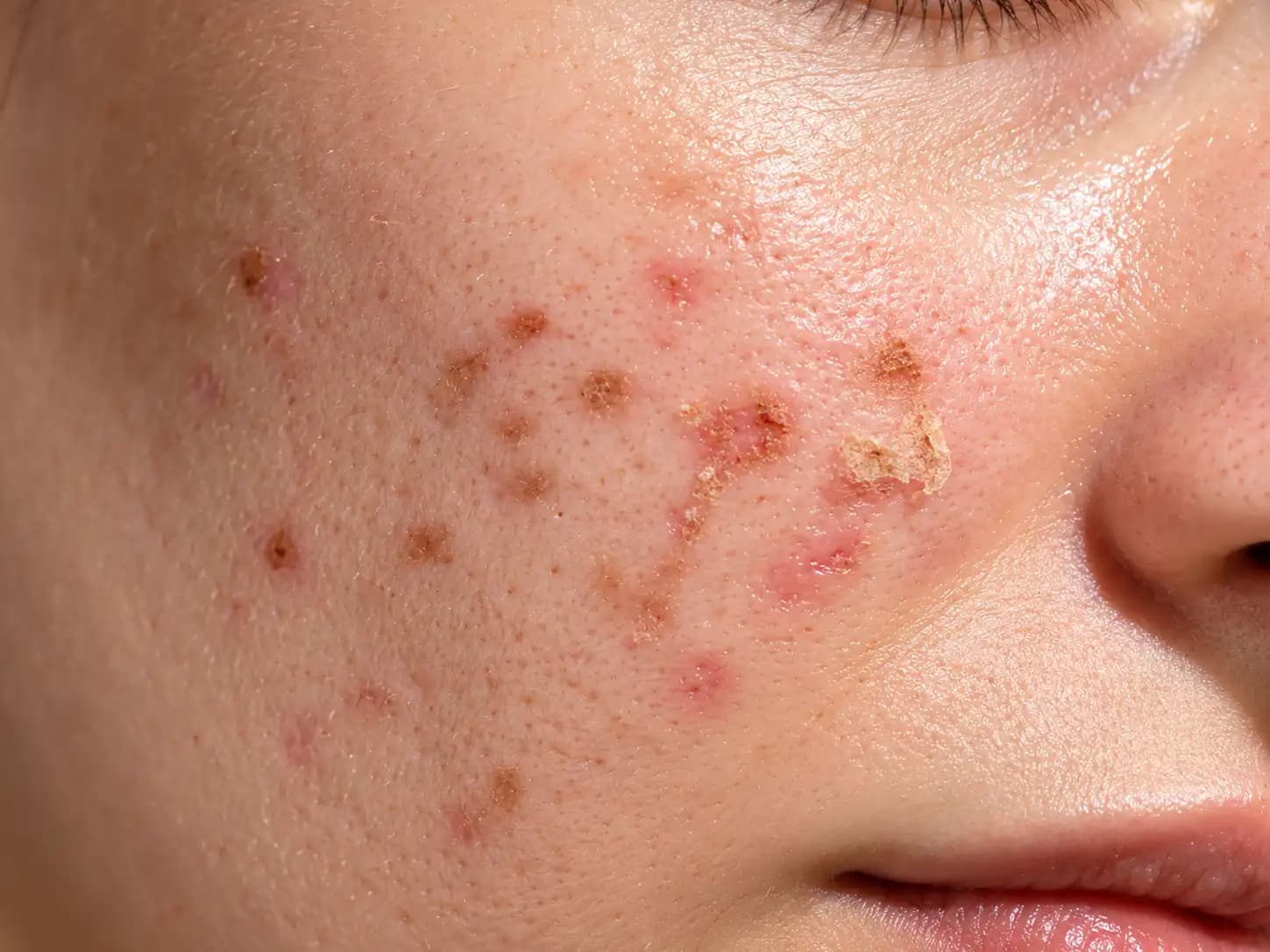
Quick answer: When the skin barrier weakens, the most common symptoms are tightness, dryness, flaking, redness, itching, and a burning or stinging sensation from products that used to feel fine. The skin may also look dull, feel rough, or become oilier as it tries to make up for lost moisture. These signs appear because a damaged barrier lets water escape more easily while allowing irritants to get in. Gentle cleansing, a ceramide-rich moisturizer, soothing ingredients, and daily sunscreen help repair it.
What Symptoms Appear When the Skin Barrier Weakens?
If your skin feels tight even after moisturizing, if products you have used for years suddenly sting, or if redness lingers longer than it should, the problem may not be simply "sensitive skin." It may be a weakened skin barrier, the protective layer that stands between your skin and the outside world. This guide explains what the skin barrier is, which symptoms signal damage, why the barrier breaks down, and how to repair it with the right ingredients and a gentle routine.
What Is the Skin Barrier?
The skin barrier is the outermost layer of the epidermis, known as the stratum corneum. Its job is to protect the body from environmental stressors such as pollution, allergens, irritants, and microorganisms, while keeping the skin's own water from evaporating too quickly. It is built from flattened skin cells called corneocytes, held together by lipids including ceramides, cholesterol, and fatty acids. A helpful way to picture it is a brick wall: the skin cells are the bricks, and the lipids are the mortar that holds everything in place.
When this structure is intact, it limits transepidermal water loss, which is the natural evaporation of water through the skin. It also supports the skin's pH and microbiome, which is why healthy skin feels soft, smooth, and comfortable. When the barrier is compromised, moisture escapes faster and irritants penetrate more easily, leaving the skin dry, reactive, and inflamed.
What Are the Signs of a Damaged Skin Barrier?
Barrier damage does not look identical on everyone, but certain symptoms appear again and again. The most noticeable is tightness, especially after showering or cleansing, which happens because depleted lipids allow water to evaporate quickly. Dryness, flaking, and rough texture often follow, since the skin cells are no longer held together properly. Redness is another common sign, particularly when it persists or takes a long time to settle, and it usually reflects low-grade inflammation caused by irritants reaching deeper layers of the skin.
Many people first notice the problem through burning or stinging. A serum or moisturizer that was always comfortable suddenly feels hot or prickly, because a weakened barrier gives ingredients easier access to sensitive nerve endings. Itching, dullness, uneven texture, and even new breakouts can also appear, as dehydration and irritation disrupt the skin's normal balance.
Oiliness deserves special mention. Some skin types respond to moisture loss by producing extra sebum, so a shiny face that still feels tight can actually be a sign of barrier damage. Oily skin does not mean a strong barrier. Sebum and hydration are not the same thing, and oily skin can be dehydrated and impaired at the same time.
Why Does the Skin Barrier Break Down?
The most common cause is washing the skin too often or too aggressively. Strong or heavily foaming cleansers, very hot water, long cleansing sessions, and rough physical scrubs all strip away the protective lipids that keep the barrier intact.
Overusing active ingredients is the second major culprit. AHAs, BHAs, and retinoids support skin renewal when used correctly, but problems begin when several potent actives are layered in one routine, when treatments are started at high concentrations, or when frequency is increased faster than the skin can adapt. This pattern leads to over-exfoliated skin, a very common reason people end up with a damaged barrier.
Environmental and lifestyle factors add to the strain. Unprotected UV exposure increases oxidative stress, cold and windy weather dries the skin, indoor heating and air conditioning pull moisture from the air, and pollution, stress, and poor sleep can all slow the skin's natural recovery. Existing conditions such as eczema or contact dermatitis can weaken the barrier further.
Damaged Barrier, Sensitive Skin, or a Skin Condition?
These three are often confused, but they are not the same. Sensitive skin is usually a lasting tendency influenced by genetics and reactivity. A damaged skin barrier, by contrast, is typically temporary and reversible, and it can make any skin type feel sensitive until it heals. Conditions such as eczema, contact dermatitis, and rosacea are chronic or recurring medical issues with immune, genetic, or vascular causes, and they often need professional treatment. If a gentle routine brings steady improvement, a damaged barrier is the likely explanation. If symptoms keep returning or worsen, a deeper cause may be involved.
How to Repair a Damaged Skin Barrier?
Repairing the barrier calls for a measured, consistent approach rather than a complicated one. The first step is to simplify. Pause exfoliating acids, retinoids, and scrubs, and reduce your routine to a gentle cleanser, a barrier-supporting moisturizer, and sunscreen. Wash with lukewarm water, pat the skin dry instead of rubbing, and apply moisturizer while the skin is still slightly damp to help lock in hydration.
Next, focus on restoring the water and lipid support the skin has lost, and soothe inflammation with calming ingredients. Introduce any new product one at a time and patch test it first, so you can tell what your skin tolerates. Above all, use your moisturizer every day, not only when irritation flares up. Barrier repair works through regularity.
Best Ingredients to Strengthen the Skin Barrier
Ceramides are the cornerstone of barrier care. They reinforce the lipid structure between skin cells and help reduce water loss, and they work best alongside cholesterol and fatty acids, which complete the lipid trio the skin naturally relies on. Humectants such as hyaluronic acid, glycerin, and sodium PCA draw water to the skin's surface, giving it a fuller and more supple look.
Panthenol, also known as vitamin B5, supports the skin's ability to retain moisture while helping to soothe sensitivity and redness. Centella asiatica, often called cica, contains asiaticoside, madecassic acid, and asiatic acid, compounds that support barrier recovery and help the skin cope with environmental stress. Shea butter adds richness and helps seal in moisture, bisabolol comforts reactive skin, and low-concentration niacinamide may help support barrier function and calm visible redness in skin that tolerates it.
While the skin is healing, it is wise to avoid high-strength AHAs and BHAs, retinoids, strong vitamin C formulas, alcohol-heavy toners, fragranced products, essential oils, and abrasive scrubs.
Why Sunscreen Matters During Barrier Repair?
A weakened barrier is more vulnerable to oxidative stress from UV rays, and unprotected sun exposure can worsen redness, dehydration, and sensitivity. Daily sunscreen therefore protects recovering skin from setbacks, and it matters for far more than spots and signs of aging.
For reactive skin, how well a sunscreen is tolerated matters as much as its protection level. Mineral sunscreens with zinc oxide provide broad-spectrum UVA and UVB protection and are generally gentle on sensitive skin, and soothing additions such as bisabolol can add comfort. Apply a generous amount, and reapply after sweating, swimming, or drying with a towel.
A Simple Daily Routine for a Weakened Skin Barrier
In the morning, cleanse gently, or simply rinse with water if your skin is very dry. Apply a soothing serum containing cica and panthenol, follow with a ceramide-based barrier repair cream that includes hyaluronic acid and glycerin, and finish with a broad-spectrum SPF 30 or higher.
In the evening, remove makeup, sunscreen, and the day's buildup gently, without rubbing or scrubbing. Apply the same soothing serum, then seal in hydration with a richer cream containing ceramides, several forms of hyaluronic acid, glycerin, and shea butter. Keep the routine steady and avoid swapping products too often, since constant changes make it harder for the skin to settle.
How Long Does Skin Barrier Recovery Take?
Mild damage often improves within two to four weeks of following a simplified routine. More severe damage can take six to eight weeks or longer. Because the skin renews itself over roughly a month, patience is essential. Once your skin feels calm and comfortable, you can reintroduce actives one at a time, starting at a low frequency and increasing slowly.
When to See a Dermatologist?
If you experience intense burning or pain, cracking or bleeding, oozing, severe itching, or redness that does not improve after several weeks, reduce your product use and consult a dermatologist. These symptoms may point to eczema, contact dermatitis, rosacea, or infection, all of which need professional diagnosis and treatment.
Frequently Asked Questions
What are the first signs of a damaged skin barrier?
Tightness, dryness, redness, and stinging from products that normally feel comfortable are usually the earliest signs.
Why does my skin burn when I apply moisturizer?
A weakened barrier lets ingredients reach sensitive nerve endings more easily. Fragrance, acids, and active ingredients are the most common triggers.
Can a damaged skin barrier cause acne?
It can contribute to breakouts, because irritation, dehydration, and disrupted skin balance may worsen clogged pores and inflammation.
Can oily skin have a damaged barrier?
Yes. Excess oil does not guarantee hydration, and many people with oily skin have dehydrated, barrier-impaired skin.
Is a damaged skin barrier the same as sensitive skin?
No. A damaged barrier is typically temporary and reversible, while sensitive skin can be a long-term tendency.
Can I use retinol or exfoliating acids with a weakened barrier?
It is best to pause them until your skin recovers, then reintroduce one active at a time at low frequency.
What is the best moisturizer for a damaged skin barrier?
Look for a fragrance-free formula with ceramides, cholesterol, fatty acids, hyaluronic acid, glycerin, and panthenol.
Does drinking water repair the skin barrier?
Staying hydrated supports general health, but topical moisturizers and avoiding irritation matter far more for barrier repair.